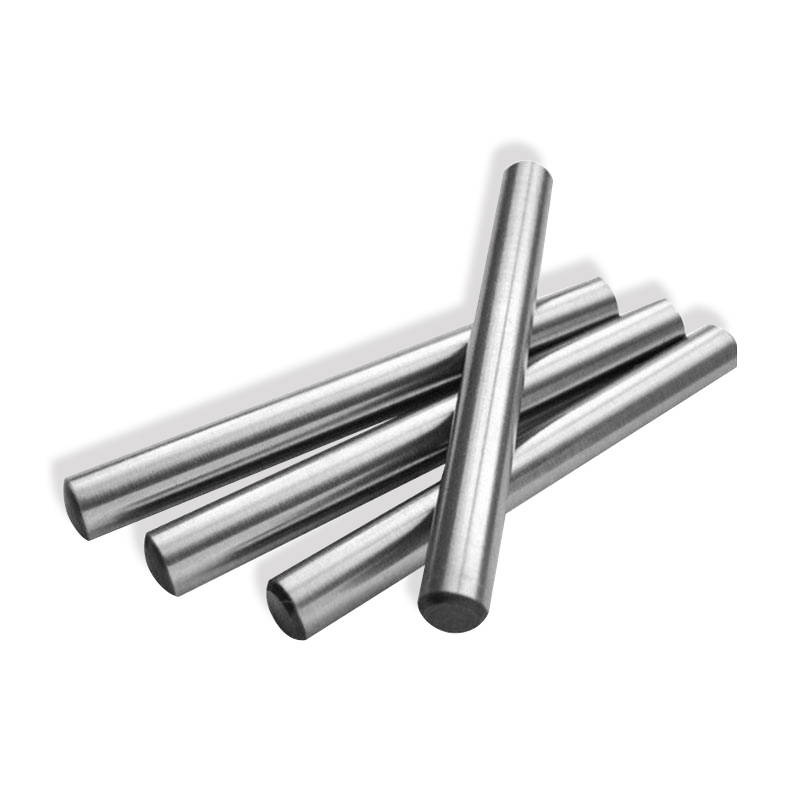
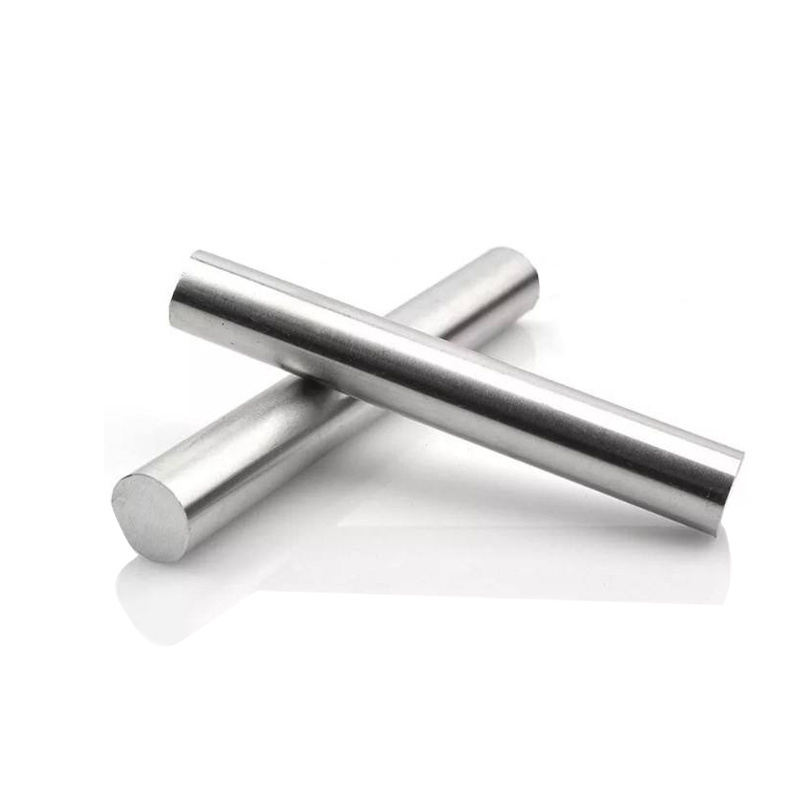
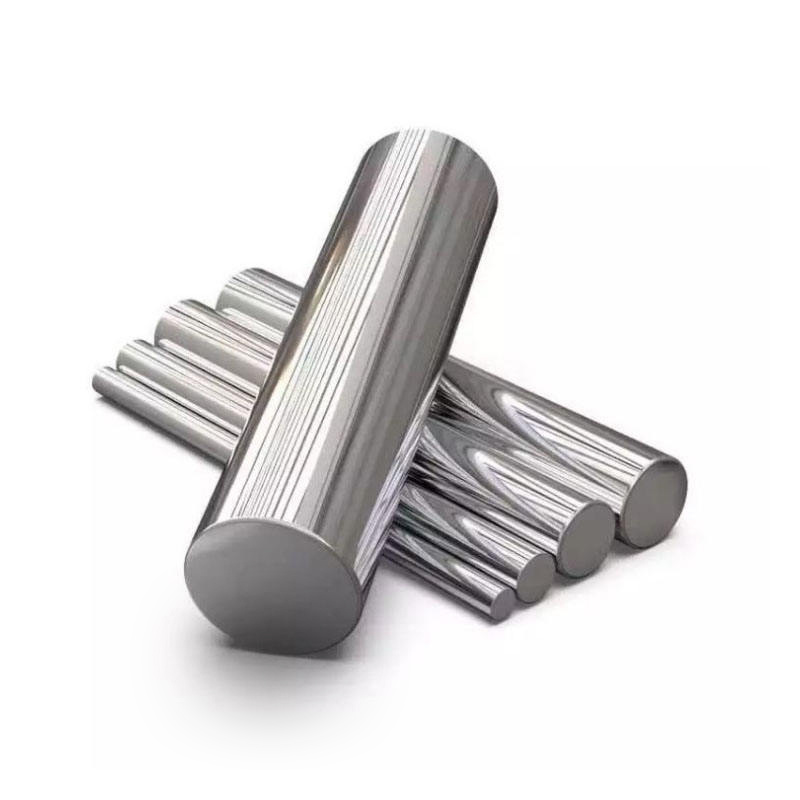
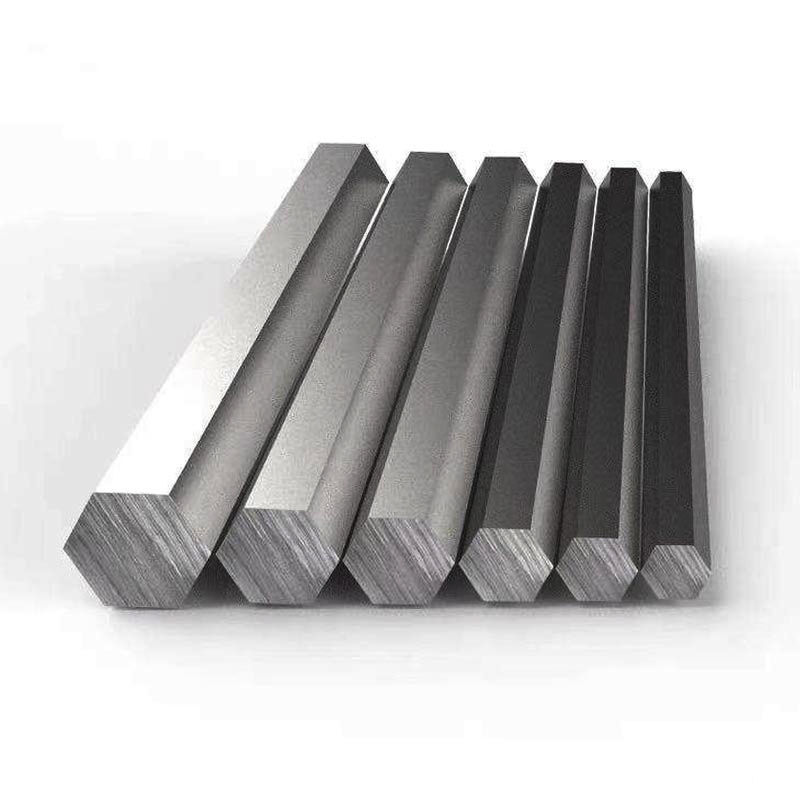
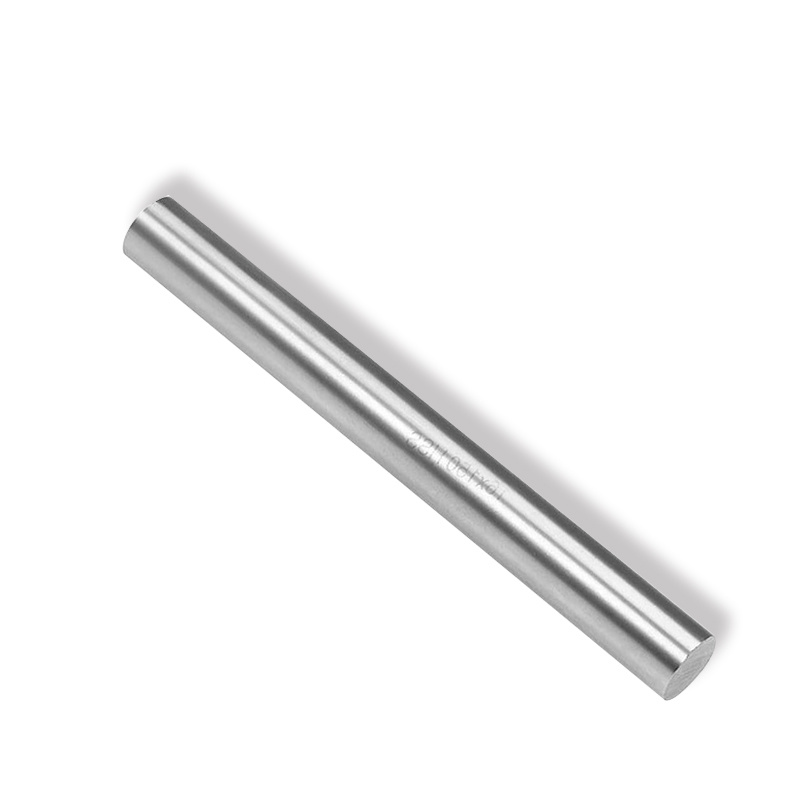
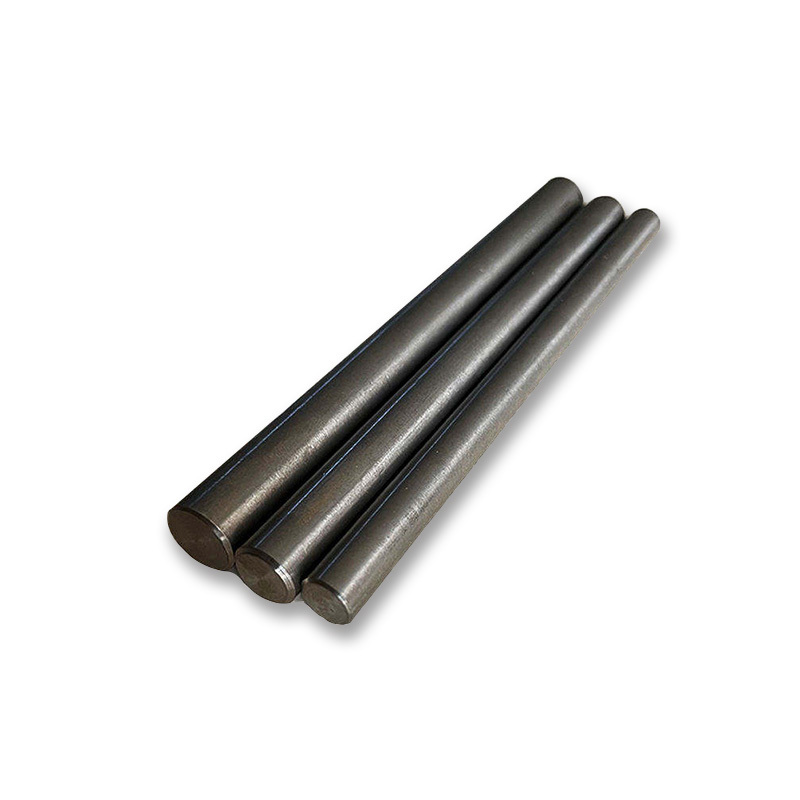
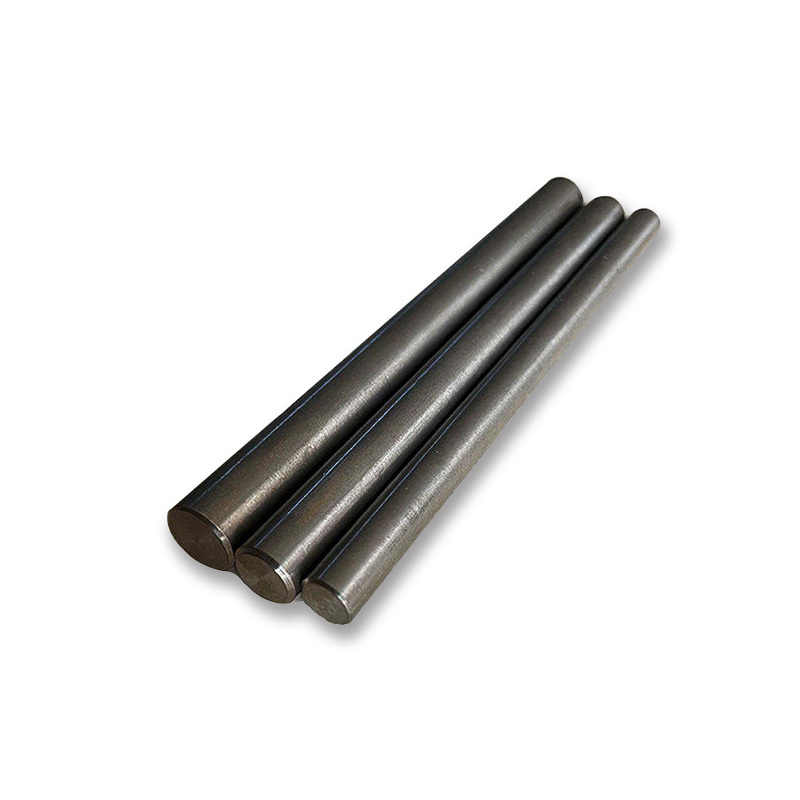
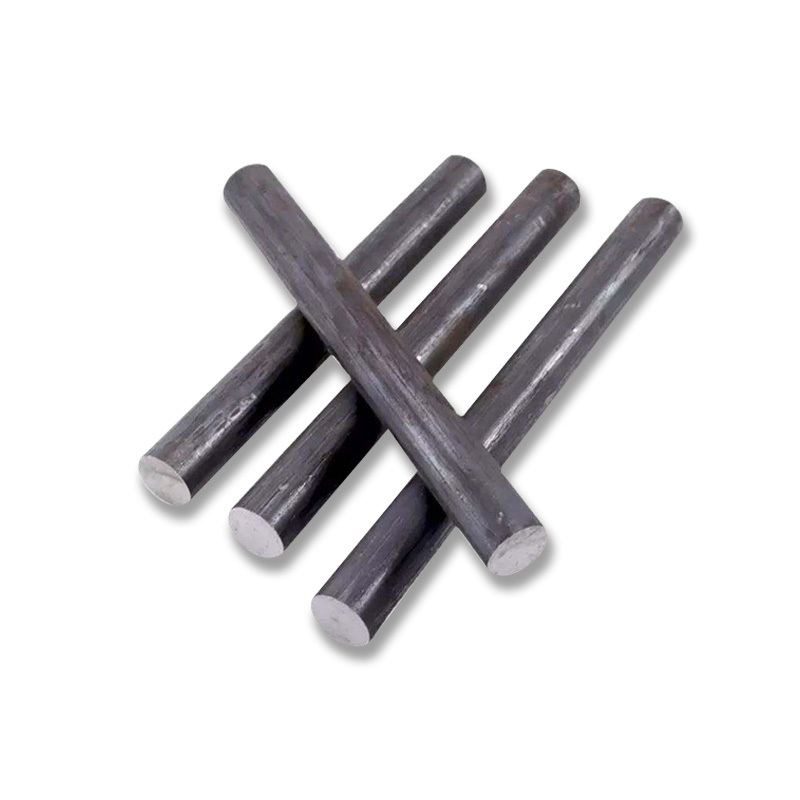
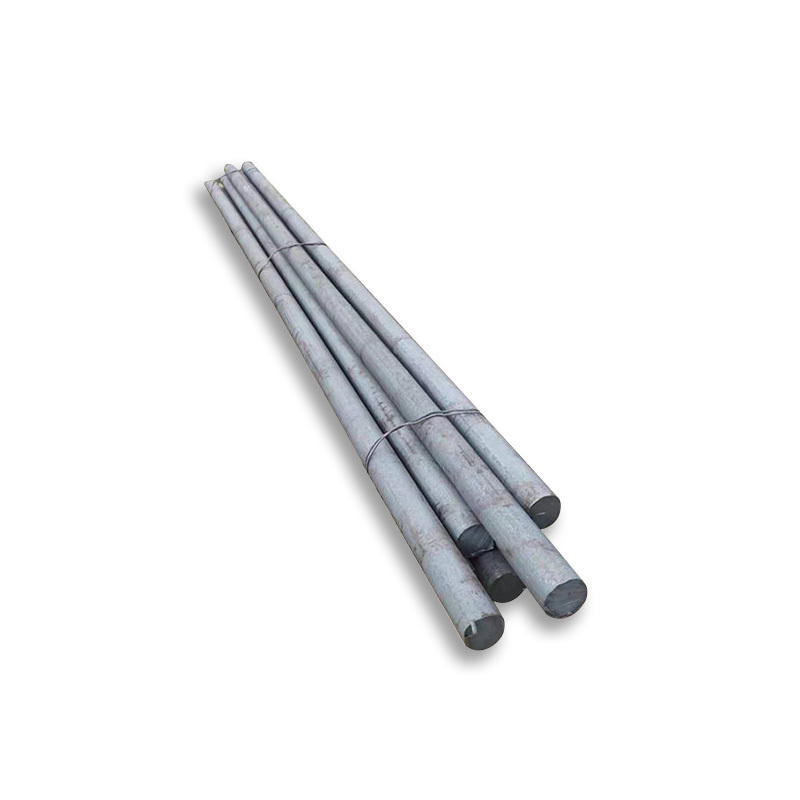
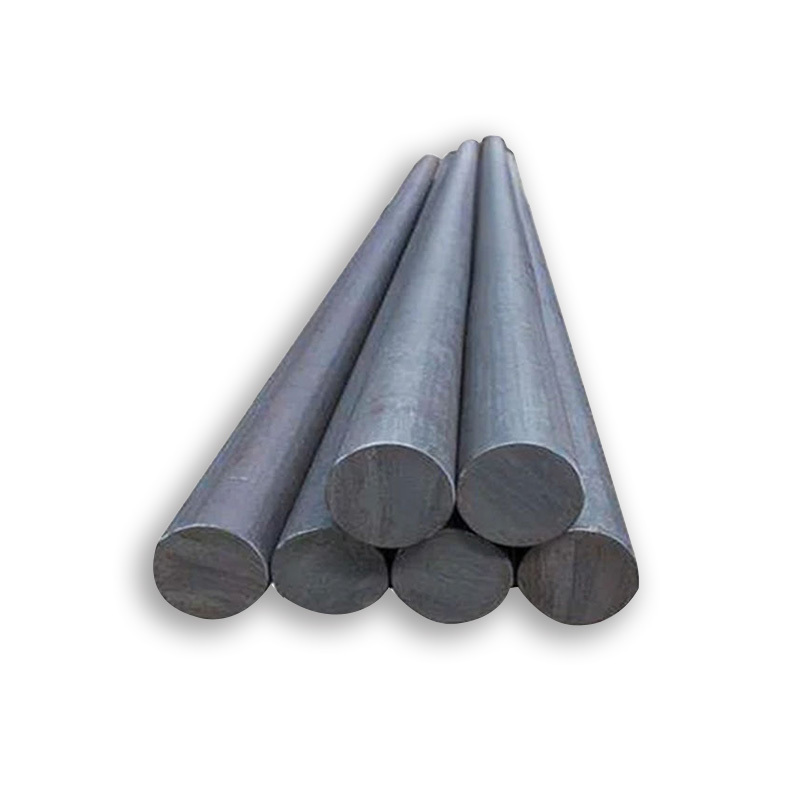
2507 Duplex Stainless Steel Bar

2507(UNS S32750) is an ultra-duplex stainless steel containing 25% chromium, 4% molybdenum and 7% nickel. It is designed for demanding applications that require excellent strength and corrosion resistance, such as chemical processes, petrochemicals and seawater equipment. The steel has excellent resistance to chloride stress corrosion cracking, high thermal conductivity and low coefficient of thermal expansion. High chromium, molybdenum and nickel levels provide excellent resistance to pitting, crevice corrosion and general corrosion.

304 Stainless Steel Bar

304 stainless steel is a kind of universal stainless steel material, rust resistance than 200 series of stainless steel material is stronger. High temperature resistance is also better, can be as high as 1000-1200 degrees. 304 stainless steel has excellent corrosion resistance and good intergranular corrosion resistance. For oxidizing acids, it is concluded in the experiment that 304 stainless steel has strong corrosion resistance in nitric acid with a concentration of less than or equal to 65% of the boiling temperature. It also has good corrosion resistance to alkali solution and most organic and inorganic acids.

304L Stainless Steel Bar

304L is one of the austenitic stainless steels with a chromium content of at least 18%, a nickel content of at least 8%, and a maximum carbon content of 0.03. 304L stainless steel is an ideal choice for various household and commercial applications, with excellent corrosion resistance, ease of manufacturing and excellent formability. Austenitic stainless steels are also considered to be the easiest to weld among high alloy steels and can be welded by all fusion and resistance welding processes.

309/309S Stainless Steel Bar

309 and 309S are austenitic chromium-nickel stainless steels that are typically used for higher temperature applications. Due to its high chromium and nickel content, 309 and 309S alloys have a high degree of corrosion resistance, excellent oxidation resistance and excellent heat resistance, while providing good strength at room temperature and high temperature. The only significant difference between 309 and 309S is the carbon content. The 309S alloy has less carbon, which minimizes carbide precipitation and improves weldability.

316Ti Stainless Steel Bar

316Ti(UNS S31635) is a titanium stabilized version of 316 molybdenum-containing austenitic stainless steel. 316 alloys are more resistant to general corrosion and pitting/crevice corrosion than traditional chromium-nickel austenitic stainless steels such as 304.

317L Stainless Steel Bar

317L is a low-carbon austenitic stainless steel containing molybdenum. More chromium, nickel and molybdenum are added to obtain better corrosion resistance and increase the resistance to sulfurous acid, acetic acid, formic acid, citric acid and tartaric acid. Resistance to chemical attack. Due to its low carbon content, 317L also provides resistance to sensitization during welding, as well as higher creep, rupture stress and high temperature tensile strength. It is non-magnetic in the annealed state, but may become slightly magnetic after welding.

321 Stainless Steel Bar

321(UNS S32100) is a titanium stabilized austenitic stainless steel with good general corrosion resistance. It has good intergranular corrosion resistance at a chromium carbide precipitation temperature of 800-1500 °F(427-816°C). The alloy is resistant to oxidation at 1500 °F(816°C) and has higher creep and stress rupture properties than the 304 and 304L alloys. It also has good low temperature toughness.

330 Stainless Steel Bar

330 is an austenitic nickel-chromium-iron-silicon alloy with excellent oxidation and carburizing properties up to 2200 °F and high strength. The high nickel and chromium content of the alloy provides excellent oxidation resistance and carburization, and the silicon content further improves the oxidation resistance of the alloy. The ultra-high nickel content of 34 to 37% of the alloy 330 also provides high resistance to chloride stress corrosion cracking and embrittlement due to sigma phase precipitation in most furnace atmospheres. The alloy 330 also has a low coefficient of expansion, excellent ductility and high strength.

347 Stainless Steel Bar

347 is a stable austenitic chromium steel, containing niobium, which can eliminate carbide precipitation, thereby eliminating corrosion during the year. 347 is stabilized by the addition of chromium and tantalum, and provides higher creep and stress rupture properties than alloys 304 and 304L, which can also be used for sensitization and exposure to corrosion problems during the year. The addition of niobium also makes the 347 alloy have excellent corrosion resistance, even better than the 321 alloy.

405 Stainless Steel Bar

The mechanical properties of 405 stainless steels are important in determining their suitability for various applications. This steel has excellent workability and is easy to cut and shape into different shapes. In addition, the material exhibits a good level of strength and hardness, making it wear-resistant and tear-resistant. A remarkable characteristic of 405 stainless steel is its ductility, which refers to its ability to deform under pressure without breaking. This property makes the metal suitable for forming processes such as bending and rolling without cracking or breaking.

440C Stainless Steel Bar

440C grade stainless steel is a kind of high carbon martensitic stainless steel. High strength, medium corrosion resistance, good hardness and wear resistance. Grade 440C achieves the highest strength, hardness and wear resistance of any stainless steel alloy after heat treatment. Its extremely high carbon content is the reason for these characteristics, which makes the 440C particularly suitable for applications such as ball bearings and valve parts.

A105 Carbon Steel Bar

A105 is an ASTM specification for steel forgings, primarily for carbon steel forged pipe components. The type of carbon steel wrought alloy involved is a low carbon, manganese and silicon steel similar to the AISI 1330, but with a lower manganese content.

A36 Carbon Steel Bar

A36 is a low-carbon steel containing trace amounts of manganese, phosphorus, sulfur, silicon and other elements such as copper. A36 has good weldability and high yield strength, and is the most specified structural steel plate by engineers. ASTM A36 is most commonly manufactured as a variety of structural steel parts. This grade is used for welded, bolted or riveted construction of bridges and buildings, as well as for general structural purposes. Due to its lowest yield point, A36 can be used to design lighter-weight structures and equipment, and provide good weldability.

A572/S355JR Carbon Steel Bar

A572 steel bars are lightweight, but have good strength, ductility and workability, making them ideal for structural applications. These characteristics make the A572 relatively simple to shape into different structures, while maintaining the ability to withstand large stresses and loads.

AISI/SAE 1018 Carbon Steel Bar

AISI 1018 carbon steel round bars are made of carbon steel, and its composition includes carbon, chromium, manganese, molybdenum, phosphorus, sulfur and silicon. Carbon steel SAE1018 rods are commonly used for shafts, pins, rods, spindles, sprocket assemblies and a wide range of parts. The 1018 bar can be finely processed without any difficulty, and its chips are hard and continuous, so it can be processed into all shapes.

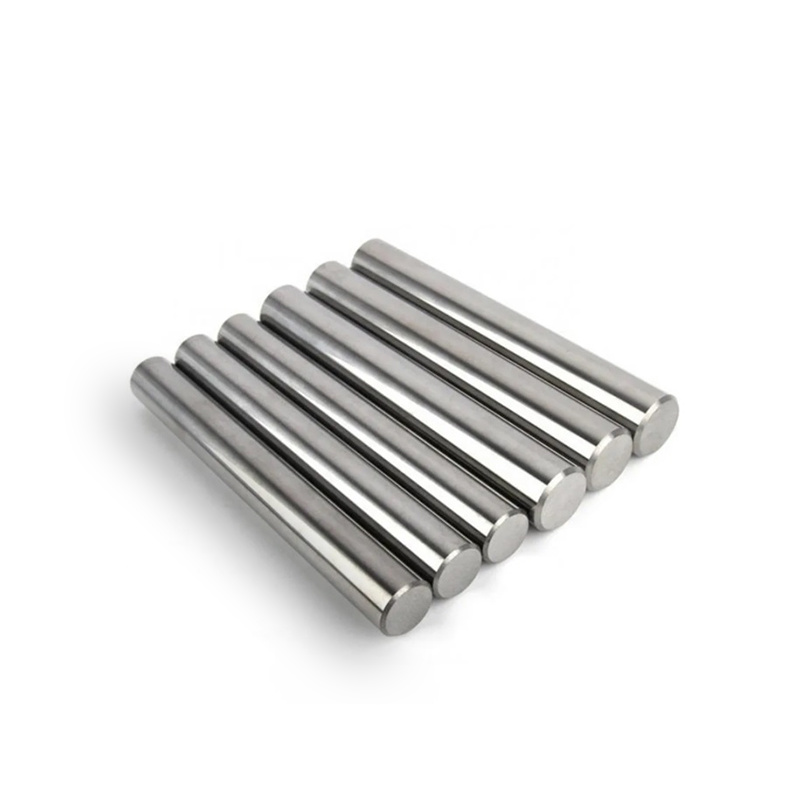
AISI/SAE 1025 Carbon Steel Bar

1025 carbon steel is a steel that contains only carbon as its main alloying element. These steels also contain 0.4 percent silicon and 1.2 percent manganese. Small amounts of copper, nickel, molybdenum, aluminum and chromium can also be detected in carbon steel.

Ready to work with us?

Get in touch today and let’s discuss your project needs.