
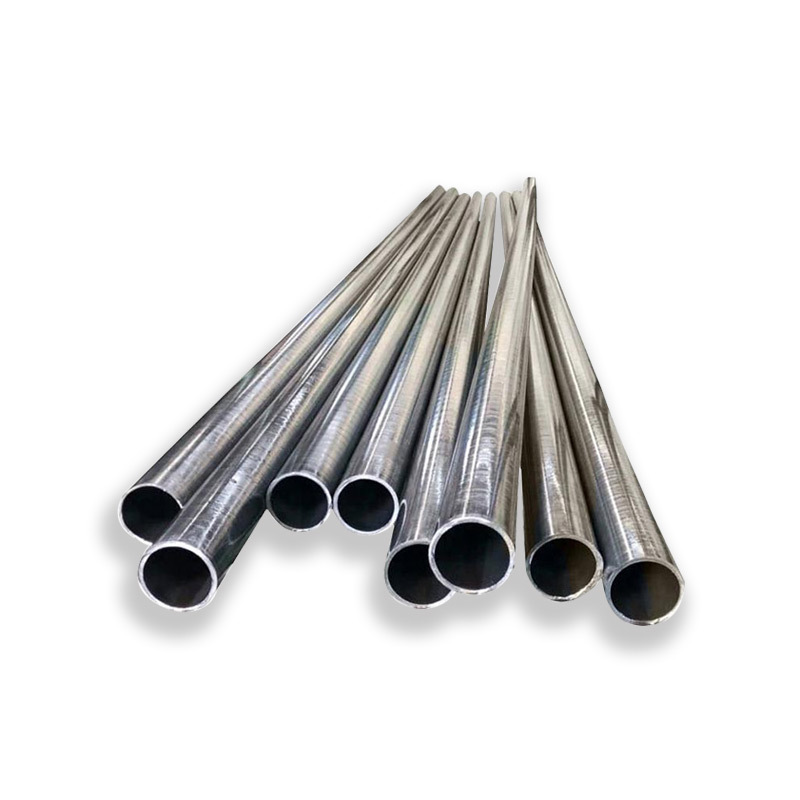
1. Introduction to CHS Circular Steel Hollow Sections
In recent years, the construction industry has witnessed a remarkable shift towards using innovative materials that enhance both structural integrity and aesthetic appeal. Among these materials, **Circular Steel Hollow Sections (CHS)** have emerged as a preferred choice for many infrastructure projects. Their unique geometrical shape, combined with exceptional mechanical properties, allows for versatile applications across various sectors, including bridges, buildings, and even sculptures. This article delves into the innovative applications of CHS in infrastructure projects, shedding light on their advantages, design considerations, and future potential.
2. Key Properties of CHS
**Circular Steel Hollow Sections** are characterized by their hollow circular cross-section, which provides several inherent benefits over traditional solid sections. Below are the key properties that make CHS particularly valuable in construction:
2.1 Strength and Durability
CHS exhibits a high strength-to-weight ratio. This means that structures can achieve greater stability and load-bearing capacity while using less material. The circular shape also distributes stress evenly, reducing the likelihood of failure.
2.2 Versatility in Design
The aesthetic flexibility of CHS allows architects and engineers to create visually appealing structures without compromising on strength. Their ability to be fabricated into various sizes and thicknesses makes them suitable for a wide range of applications.
2.3 Resistance to Corrosion
When properly treated, CHS can exhibit excellent resistance to environmental factors, including corrosion. This is vital for infrastructure projects exposed to harsh weather conditions, ensuring longevity and reducing maintenance costs.
2.3.1 Surface Treatments
Various surface treatments, such as galvanizing or powder coating, can enhance the durability of CHS, making them an ideal choice for outdoor structures.
3. Benefits of Using CHS in Infrastructure
The growing popularity of CHS in infrastructure projects can be attributed to its numerous advantages:
3.1 Enhanced Structural Efficiency
The efficient use of materials in CHS design leads to lighter structures that require less foundation support. This results in cost savings and reduced use of resources.
3.2 Aesthetic Appeal
The modern and sleek appearance of CHS structures can significantly enhance the visual appeal of infrastructure projects, making them more attractive and appealing to the public.
3.3 Cost-Effectiveness
Despite potential higher initial costs, the long-term benefits of using CHS—including lower maintenance and operational costs—often outweigh these expenses, making them a financially viable option.
3.4 Simplified Construction Process
CHS sections can be prefabricated off-site, leading to faster construction times and minimizing disruptions in urban areas. The straightforward assembly process also reduces labor costs and construction errors.
4. Innovative Applications of CHS in Infrastructure
CHS has found applications in various infrastructure projects, showcasing its versatility:
4.1 Bridges
CHS is increasingly being used in bridge construction due to its strength and lightweight properties. The aesthetic advantage of CHS can lead to iconic bridge designs that blend functionality with beauty.
4.2 High-Rise Buildings
In high-rise buildings, CHS is utilized for structural frameworks, allowing architects to design taller and more complex structures with minimal material use. This leads to impressive skylines and efficient use of urban space.
4.3 Stadiums and Auditoriums
The open spaces required in stadiums and auditoriums are well-suited for CHS. Its lightweight nature allows for expansive designs while ensuring safety and structural integrity.
4.4 Urban Furniture and Sculptures
Beyond traditional construction, CHS is also used in urban furniture and artistic sculptures. Its sleek design can complement urban aesthetics while providing functional elements like benches and canopies.
5. Design Considerations for CHS Structures
Designing with CHS requires careful consideration to fully harness its benefits:
5.1 Load Analysis
Understanding the specific load requirements and environmental factors is crucial in designing CHS structures. Engineers must conduct thorough analyses to ensure longevity and safety.
5.2 Connection Design
The connection points in CHS assemblies are critical. Innovative connection designs, such as bolted or welded joints, can enhance structural integrity and simplify the construction process.
5.3 Aesthetic Integration
Incorporating CHS into designs requires a balance between functionality and aesthetics. Collaborating with architects can lead to innovative designs that stand out.
6. Sustainability Aspects of CHS
Sustainability is a significant consideration in modern construction practices, and CHS plays a vital role:
6.1 Recyclability
Steel, including CHS, is one of the most recyclable materials available. This reduces the environmental footprint associated with new material production.
6.2 Energy Efficiency
The lightweight nature of CHS can lead to energy-efficient construction processes, requiring less energy for transportation and assembly compared to heavier materials.
6.3 Minimal Waste Production
The precision of CHS fabrication allows for reduced waste during manufacturing and construction, contributing to sustainable building practices.
7. Case Studies of CHS in Infrastructure Projects
Exploring real-world examples provides insights into the successful implementation of CHS:
7.1 The XYZ Bridge Project
The XYZ Bridge, constructed using CHS, showcases its strength and aesthetic appeal. The project utilized advanced fabrication techniques, leading to a significant reduction in construction time.
7.2 ABC High-Rise Development
In the ABC High-Rise Development, CHS was instrumental in achieving a unique architectural design while maintaining structural integrity. The project demonstrated the cost-effectiveness and sustainability of CHS materials.
8. The Future of CHS in Construction
The future of CHS in infrastructure looks promising:
8.1 Technological Innovations
Advancements in fabrication technology and design tools will continue to expand the possibilities for CHS applications, leading to even more innovative structures.
8.2 Growing Demand for Sustainable Solutions
As the construction industry moves towards sustainable practices, the use of CHS is likely to increase, driven by its recyclability and energy efficiency.
9. Frequently Asked Questions (FAQs)
9.1 What are Circular Steel Hollow Sections?
Circular Steel Hollow Sections (CHS) are structural steel sections characterized by their hollow circular cross-section, providing strength and versatility.
9.2 What are the benefits of using CHS in construction?
CHS offers enhanced structural efficiency, aesthetic appeal, cost-effectiveness, and simplified construction processes.
9.3 Are CHS structures sustainable?
Yes, CHS is recyclable and contributes to energy-efficient construction, minimizing waste production.
9.4 In what types of projects can CHS be used?
CHS can be used in a variety of projects, including bridges, high-rise buildings, stadiums, and urban furniture.
9.5 How do design considerations differ for CHS structures?
Design considerations for CHS structures include load analysis, connection design, and integrating aesthetics with functionality.
10. Conclusion
The innovative applications of **Circular Steel Hollow Sections (CHS)** in infrastructure projects represent a significant advancement in construction materials. Their unique properties, coupled with the benefits they bring in terms of structural integrity, aesthetic appeal, and sustainability, position CHS as a valuable asset in modern construction. As we continue to embrace technological advancements and prioritize sustainable building practices, the future of CHS looks bright, promising even more innovative solutions in the realm of infrastructure development. Embracing these materials not only enhances the capabilities of engineers and architects but also contributes positively to the environment and society as a whole.