Introduction to Low Carbon Bright Alkaline Steel Wire
In the construction and manufacturing industries, the materials used significantly impact the overall quality and safety of structures. Among these materials, **low carbon bright alkaline steel wire** has gained prominence for its unique properties that enhance structural integrity. This article delves into how this specific type of steel wire contributes to stronger, more resilient constructions.
Understanding Low Carbon Bright Alkaline Steel Wire
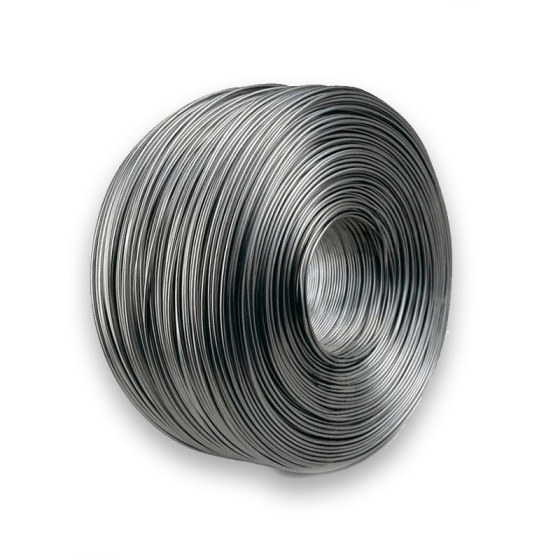
Low carbon bright alkaline steel wire is characterized by its low carbon content, typically below 0.25%. This feature makes it more ductile and malleable compared to higher carbon alternatives. The term “bright” refers to the polished finish of the wire, which is achieved through drawing processes that enhance its aesthetic appeal and performance characteristics.
Key Properties of Low Carbon Bright Alkaline Steel Wire
The properties of low carbon bright alkaline steel wire include:
– **High Ductility**: The low carbon content allows for significant deformation without breaking, which is essential in applications requiring bending and shaping.
– **Corrosion Resistance**: The alkaline treatment process provides a layer of protection against corrosion, extending the lifespan of the wire in various environments.
– **Lightweight**: Compared to other steel materials, it offers significant strength-to-weight advantages, making it ideal for various construction applications.
– **Enhanced Weldability**: This type of steel wire can be easily welded, facilitating its use in diverse structural applications.
The Role of Low Carbon Bright Alkaline Steel Wire in Construction
In modern construction, the integrity of structures relies heavily on the materials used. Low carbon bright alkaline steel wire plays a critical role in reinforcing concrete, fabricating mesh, and creating other components essential for stability.
Applications in Structural Reinforcement
The most significant use of low carbon bright alkaline steel wire is in reinforcing concrete structures. **Reinforcement bars (rebar)** made from this wire add tensile strength to concrete, preventing cracks and structural failures.
Benefits of Using Low Carbon Bright Alkaline Steel Wire for Reinforcement
– **Increased Load-Bearing Capacity**: The wire’s strength allows structures to withstand greater loads.
– **Flexibility in Design**: Its ductility enables architects and engineers to create innovative designs without compromising safety.
– **Cost-Effectiveness**: Using this wire can lower material costs without sacrificing quality, making it an economical choice for builders.
Manufacturing Process of Low Carbon Bright Alkaline Steel Wire
The production of low carbon bright alkaline steel wire involves several stages, each contributing to the wire’s final properties.
Steel Processing and Treatment
Initially, steel billets are heated and subjected to a process called **drawing**, in which they are stretched to reduce diameter while increasing length. This process enhances the wire’s mechanical properties, including strength and ductility.
Alkaline Treatment Procedures
After drawing, the wire undergoes an alkaline treatment, which involves dipping it in alkaline solutions. This step is crucial for improving corrosion resistance, ensuring that the wire can withstand harsh environmental conditions.
Comparative Advantages Over Traditional Steel Wires
When comparing low carbon bright alkaline steel wire to traditional steel wires, several key advantages stand out:
– **Lower Carbon Footprint**: The production process is often more environmentally friendly, contributing to sustainability in construction.
– **Improved Mechanical Properties**: The unique properties of low carbon wire provide better performance in various applications, particularly in flexible structures.
Case Studies Demonstrating Structural Integrity
Numerous case studies highlight the effectiveness of low carbon bright alkaline steel wire in enhancing structural integrity. For instance, during the construction of a high-rise building, engineers utilized this wire to reinforce concrete slabs, resulting in a significant reduction in cracking and improved load distribution.
The Future of Low Carbon Bright Alkaline Steel Wire in Construction
As the construction industry continues to evolve, the demand for innovative materials like low carbon bright alkaline steel wire is expected to rise. Ongoing research is focused on improving its properties further, making it even more versatile for future applications.
Technological Innovations in Manufacturing
Innovations in manufacturing techniques will likely lead to enhanced performance characteristics, such as higher strength and better corrosion resistance. This progress will position low carbon bright alkaline steel wire as a leading choice for construction materials.
Frequently Asked Questions
1. What are the main applications of low carbon bright alkaline steel wire?
Low carbon bright alkaline steel wire is primarily used in concrete reinforcement, fencing, and various construction applications where strength and durability are required.
2. How does low carbon content affect the wire’s properties?
Low carbon content increases ductility and malleability, allowing the wire to be easily shaped and welded without breaking.
3. Is low carbon bright alkaline steel wire environmentally friendly?
Yes, the production process has a lower carbon footprint compared to traditional steel wires, making it a more sustainable option for construction.
4. Can low carbon bright alkaline steel wire be used in marine environments?
Yes, due to its corrosion-resistant properties, it is suitable for use in marine and other harsh environments, where traditional steel may fail.
5. What are the benefits of alkaline treatment?
Alkaline treatment enhances the wire’s corrosion resistance, extending its lifespan and reliability in various applications.
Conclusion
Low carbon bright alkaline steel wire is a vital material that greatly enhances structural integrity in modern construction. Its unique properties, derived from its low carbon content and alkaline treatment, make it an ideal choice for various applications. As the industry trends towards sustainability and innovation, the demand for this material is likely to grow, paving the way for new possibilities in structural design and engineering. By understanding its benefits and applications, professionals in the building and construction industry can leverage low carbon bright alkaline steel wire to create safer, more resilient structures that stand the test of time.